

Amber bear amulet
3500 years old
Read more: click
Oh.
coming out as a kpop fan 😳
*shoves you back in the closet*


This is an ultimate masterlist of many resources that could be helpful for writers. I apologize in advance for any not working links. Check out the ultimate writing resource masterlist here (x) and my “novel” tag here (x).
✑ PLANNING
Outlining & Organizing
- For the Architects: The Planning Process
- Rough Drafts
- How do you plan a novel?
- Plot Development: Climax, Resolution, and Your Main Character
- Plotting and Planing
- I Have An Idea for a Novel! Now What?
- Choosing the Best Outline Method
- How to Write a Novel: The Snowflake Method
- Effectively Outlining Your Plot
- Conflict and Character within Story Structure
- Outlining Your Plot
- Ideas, Plots & Using the Premise Sheets
✑ INSPIRATION
- Finding story ideas
- Choosing ideas and endings
- When a plot isn’t strong enough to make a whole story
- Writing a story that’s doomed to suck
- How to Finish What You Start: A Five-Step Plan for Writers
- Finishing Your Novel
- Finish Your Novel
- How to Finish Your Novel when You Want to Quit
- How To Push Past The Bullshit And Write That Goddamn Novel: A Very Simple No-Fuckery Writing Plan
✑ PLOT
In General
- 25 Turns, Pivots and Twists to Complicate Your Story
- The ABCs (and Ds and Es) of Plot Development
- Originality Is Overrated
- How to Create a Plot Outline in Eight Easy Steps
- Finding Plot: Idea Nets
- The Story Goal: Your Key to Creating a Solid Plot Structure
- Make your reader root for your main character
- Creating Conflict and Sustaining Suspense
- Tips for Creating a Compelling Plot
- The Thirty-six (plus one) Dramatic Situations
- Adding Subplots to a Novel
- Weaving Subplots into a Novel
- 7 Ways to Add Subplots to Your Novel
- Crafting a Successful Romance Subplot
- How to Improve your Writing: Subplots and Subtext
- Understanding the Role of Subplots
- How to Use Subtext in your Writing
- The Secret Life of Subtext
- How to Use Subtext
Beginning
- Creating a Process: Getting Your Ideas onto Paper (And into a Story)
- Why First Chapters?
- Starting with a Bang
- In the Beginning
- The Beginning of your Novel that isn’t the Beginning of your Novel
- A Beginning from the Middle
- Starting with a Bang
- First Chapters: What To Include @ The Beginning Writer
- 23 Clichés to Avoid When Beginning Your Story
- Start Writing Now
- Done Planning. What Now?
- Continuing Your Long-Format Story
- How to Start a Novel
- 100 best first lines from novels
- The First Sentence of a Book Report
- How To Write A Killer First Sentence To Open Your Book
- How to Write the First Sentence of a Book
- The Most Important Sentence: How to Write a Killer Opening
- Hook Your Reader from the First Sentence: How to Write Great Beginnings
Foreshadowing
- Foreshadowing and the Red Hering
- Narrative Elements: Foreshadowing
- Foreshadowing and Suspense
- Foreshadowing Key Details
- Writing Fiction: Foreshadowing
- The Literary Device of Foreshadowing
- All About Foreshadowing in Fiction
- Foreshadowing
- Flashbacks and Foreshadowing
- Foreshadowing — How and Why to Use It In Your Writing
Setting
- Four Ways to Bring Settings to Life
- Write a Setting for a Book
- Writing Dynamic Settings
- How To Make Your Setting a Character
- Guide for Setting
- 5 Tips for Writing Better Settings
- Building a Novel’s Setting
Ending
- A Novel Ending
- How to End Your Novel
- How to End Your Novel 2
- How to End a Novel With a Punch
- How to End a Novel
- How to Finish a Novel
- How to Write The Ending of Your Novel
- Keys to Great Endings
- 3 Things That End A Story Well
- Ending a Novel: Five Things to Avoid
- Endings that Ruin Your Novel
- Closing Time: The Ending
✑ CHARACTER
Names
- Behind the Name
- Surname Meanings and Origins
- Surname Meanings and Origins – A Free Dictionary of Surnames
- Common US Surnames & Their Meanings
- Last Name Meanings & Origins
- Name Generators
- Name Playground
Different Types of Characters
- Ways To Describe a Personality
- Character Traits Meme
- Types of Characters
- Types of Characters in Fiction
- Seven Common Character Types
- Six Types of Courageous Characters
- Creating Fictional Characters (Masterlist)
- Building Fictional Characters
- Fiction Writer’s Character Chart
- Character Building Workshop
- Tips for Characterization
- Fiction Writer’s Character Chart
- Advantages, Disadvantages and Skills
Males
- Strong Male Characters
- The History and Nature of Man Friendships
- Friendship for Guys (No Tears!)
- ‘I Love You, Man’ and the rules of male friendship
- Male Friendship
- Understanding Male Friendship
- Straight male friendship, now with more cuddling
Character Development
- P.O.V. And Background
- Writing a Character: Questionnaire
- 10 Days of Character Building
- Getting to Know Your Characters
- Character Development Exercises
✑ STYLE
Chapters
- How Many Chapters is the Right Amount of Chapters?
- The Arbitrary Nature of the Chapter
- How Long is a Chapter?
- How Long Should Novel Chapters Be?
- Chapter & Novel Lengths
- Section vs. Scene Breaks
Dialogue
- The Passion of Dialogue
- 25 Things You Should Know About Dialogue
- Dialogue Writing Tips
- Punctuation Dialogue
- How to Write Believable Dialogue
- Writing Dialogue: The Music of Speech
- Writing Scenes with Many Characters
- It’s Not What They Say …
- Top 10 Tips for Writing Dialogue
- Speaking of Dialogue
- Dialogue Tips
- Interrupted Dialogue
- Two Tips for Interrupted Dialogue
Show, Don’t Tell (Description)
- “Tell” Makes a Great Placeholder
- The Literary Merit of the Grilled Cheese Sandwich
- Bad Creative Writing Advice
- The Ultimate Guide to Writing Better Than You Normally Do
- DailyWritingTips: Show, Don’t Tell
- GrammarGirl: Show, Don’t Tell
- Writing Style: What Is It?
- Detail Enhances Your Fiction
- Using Sensory Details
- Description in Fiction
- Using Concrete Detail
- Depth Through Perception
- Showing Emotions & Feelings
Character Description
- Describing Your Characters (by inkfish7 on DeviantArt)
- Help with Character Development
- Creating Characters that Jump Off the Page
- Omitting Character Description
- Introducing Your Character(s): DON’T
- Character Crafting
- Writer’s Relief Blog: “Character Development In Stories And Novels”
- Article: How Do You Think Up Your Characters?
- 5 Character Points You May Be Ignoring
- List of colors, hair types and hairstyles
- List of words to use in a character’s description
- 200 words to describe hair
- How to describe hair
- Words used to describe the state of people’s hair
- How to describe your haircut
- Hair color sharts
- Four Ways to Reveal Backstory
- Words Used to Describe Clothes
Flashbacks
- Using Flashbacks in Writing
- Flashbacks by All Write
- Using Flashback in Fiction
- Fatal Backstory
- Flashbacks as opening gambit
- Don’t Begin at the Beginning
- Flashbacks in Books
- TVTropes: Flashback
- Objects in the Mirror Are Closer Than They Appear: Flashback Techniques in Fiction
- 3 Tips for Writing Successful Flashbacks
- The 5 Rules of Writing Effective Flashbacks
- How to Handle Flashbacks In Writing
- Flashbacks and Foreshadowing
- Reddit Forum: Is a flashback in the first chapter a good idea?
- Forum Discussing Flackbacks
P.O.V
- You, Me, and XE – Points of View
- What’s Your Point of View?
- Establishing the Right Point of View: How to Avoid “Stepping Out of Character”
- How to Start Writing in the Third Person
- The Opposite Gender P.O.V.
LANGUAGE
- How To Say Said
- 200 Words Instead of Said
- Words to Use Instead of Said
- A List of Words to Use Instead of Said
- Alternatives to “Walk”
- 60 Synonyms for “Walk”
✑ USEFUL WEBSITES/LINKS
- Grammar Monster
- Google Scholar
- GodChecker
- Tip Of My Tounge
- Speech Tags
- Pixar Story Rules
- Written? Kitten!
- TED Talks
- DarkCopy
- Family Echo
- Some Words About Word Count
- How Long Should My Novel Be?
- The Universal Mary Sue Litmus Test
- Writer’s “Cheat Sheets”
Last but not least, the most helpful tool for any writer out there is Google!
So so helpful
Dunno if I’ve reblogged this.
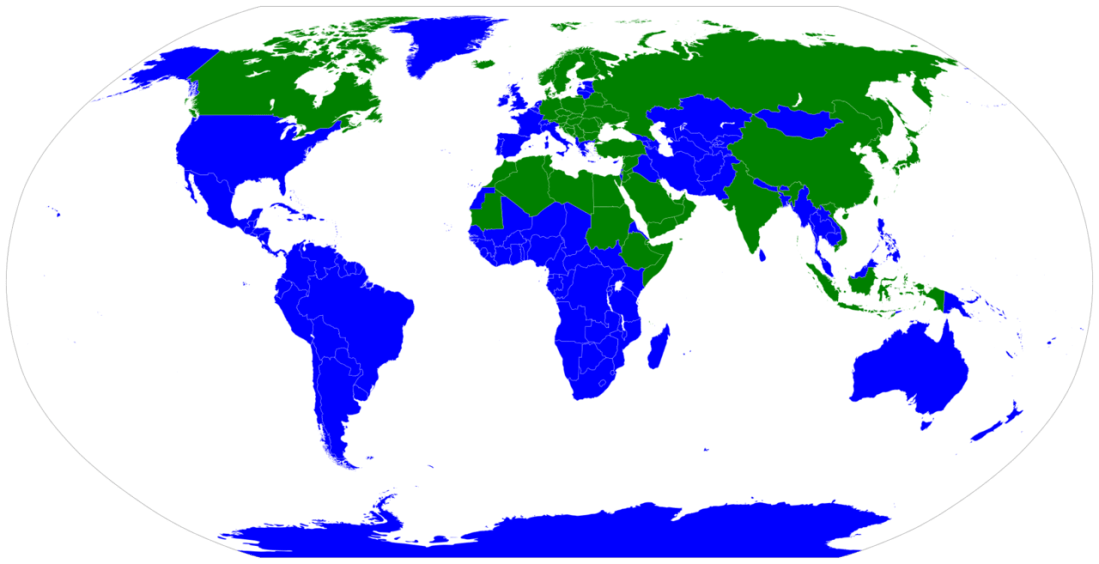
World map of tradition of removing shoes in home. Green: shoes removed; Blue: shoes not removed.
If you don’t remove your shoes in my house I’ll remove them for you with your feet as collateral damage.
Green=sensible countries, blue=crazy countries
My Finnish partner before his family arrived: They will ask where to put their shoes.
Me: But we don’t have anywhere… Can they keep them on their feet?
The thing about not removing your shoes at home in southern Europe and specifically Italy is because our houses have tiles in every room instead of carpet (which btw is unhygienic as hell) and hardwood floors. So while floor washing is a daily activity for us, the same can’t be said for those who have carpet/wooden panels.
As for actually taking off your shoes at home, yes we (Italians) do remove them. It’s not a traditional thing to do stricto sensu, but it’s common. I mean, who wants to keep their shoes on all day? Especially after a long day at school or work. Though we don’t have a different pair of shoes; we either go barefoot, wear socks, slippers or flip-flops.
I hate wearing shoes inside and my parents are always like ‘put on shoes!!’
hello im french and if you dont remove your shoes after entering my house you’ll be asked to GET THE FUCK OUT OF HERE
FUCKING TEA
[T]he stereotype that African Americans are excessively fond of watermelon emerged for a specific historical reason and served a specific political purpose. The trope came into full force when slaves won their emancipation during the Civil War. Free black people grew, ate, and sold watermelons, and in doing so made the fruit a symbol of their freedom. Southern whites, threatened by blacks’ newfound freedom, responded by making the fruit a symbol of black people’s perceived uncleanliness, laziness, childishness, and unwanted public presence. This racist trope then exploded in American popular culture, becoming so pervasive that its historical origin became obscure. Few Americans in 1900 would’ve guessed the stereotype was less than half a century old.

french jesus introducing himself: je suis christ lol


